Economy

Nutella’s parent company Ferrero is buying cereal maker WK Kellogg for .1 billion

Nutella’s parent company Ferrero is buying cereal maker WK Kellogg for $3.1 billion

In a significant development within the global food industry, Ferrero Group, the renowned Italian confectionery company best known for producing Nutella, has announced its agreement to acquire the cereal manufacturer WK Kellogg Co for a reported $3.1 billion. This strategic acquisition marks a major expansion for Ferrero, signaling its intent to strengthen its presence in the breakfast foods sector and broaden its footprint in the North American market.Ferrero, which has built its reputation over decades through iconic brands such as Ferrero Rocher, Kinder, and Tic Tac, has steadily diversified its portfolio beyond chocolates and sweets. The company’s decision to purchase…

Read More
Livvy Dunne says she was 'denied' from buying Babe Ruth's old apartment

Why Livvy Dunne says she was ‘denied’ from buying Babe Ruth’s famous apartment

Olivia "Livvy" Dunne, the prominent gymnast and social media influencer, recently shared her disappointment after reportedly being unable to purchase an apartment once owned by legendary baseball icon Babe Ruth. The situation has sparked public interest not only because of the historic significance of the property but also due to Dunne's rising celebrity status and her foray into real estate.Dunne, known for her athletic achievements as well as her massive online following, revealed in a candid interview that she had been eager to acquire the apartment, which holds a special place in sports history. The residence, associated with one of…
Read More
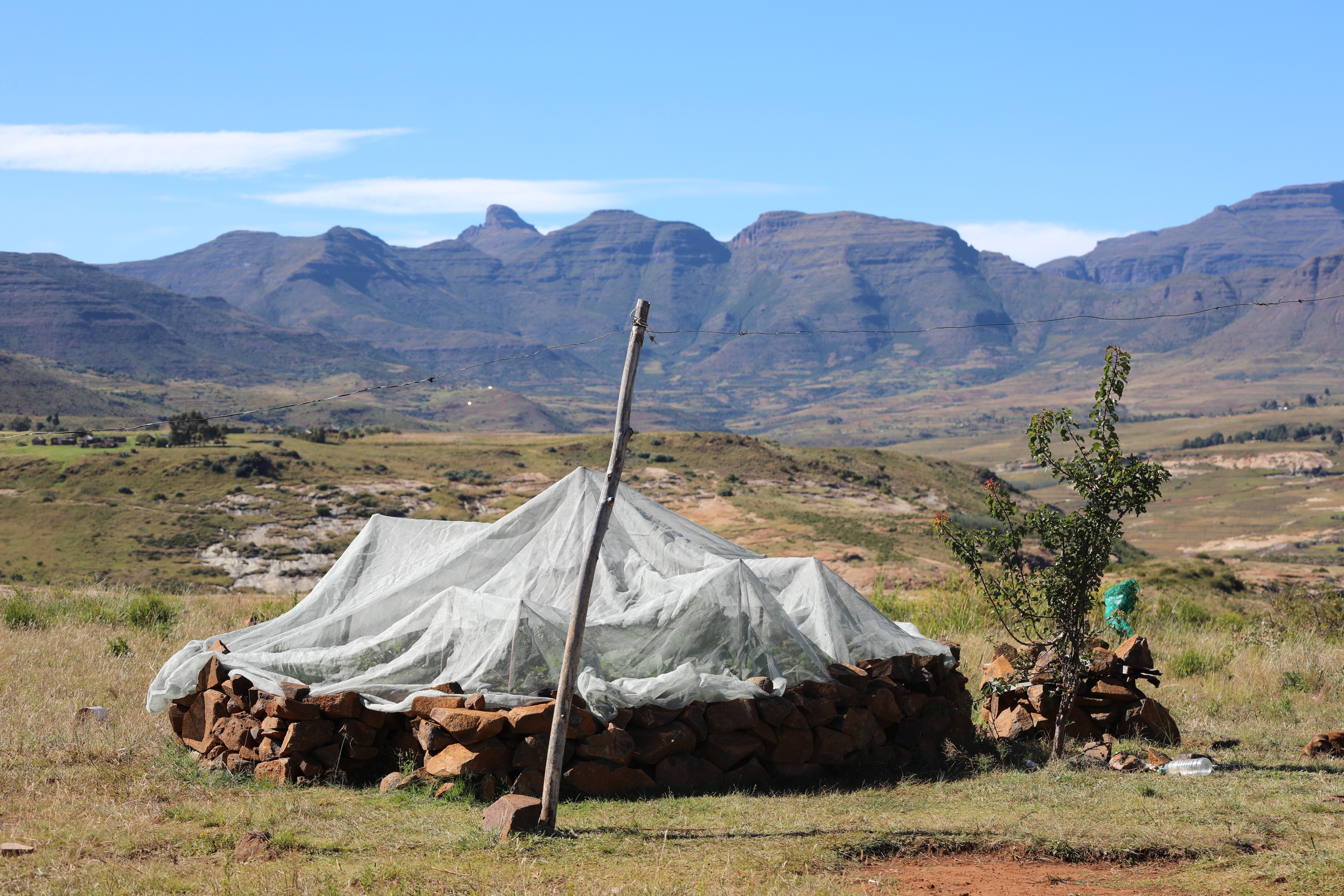
Lesotho declares state of disaster amid US tariff uncertainty

Lesotho declares state of disaster as US tariff uncertainty grows

Lesotho has formally announced a state of disaster in response to growing economic concerns linked to potential changes in United States trade policies. This declaration underscores the small African nation's vulnerability to international economic shifts and highlights the pressing need for both immediate assistance and long-term strategies to mitigate external risks.The uncertainty centers around the future of Lesotho's preferential trade status under the African Growth and Opportunity Act (AGOA), a U.S. legislation that allows eligible sub-Saharan African countries to export goods to the U.S. market duty-free. Lesotho, whose economy heavily depends on textile exports, particularly garments, has been a significant…
Read More
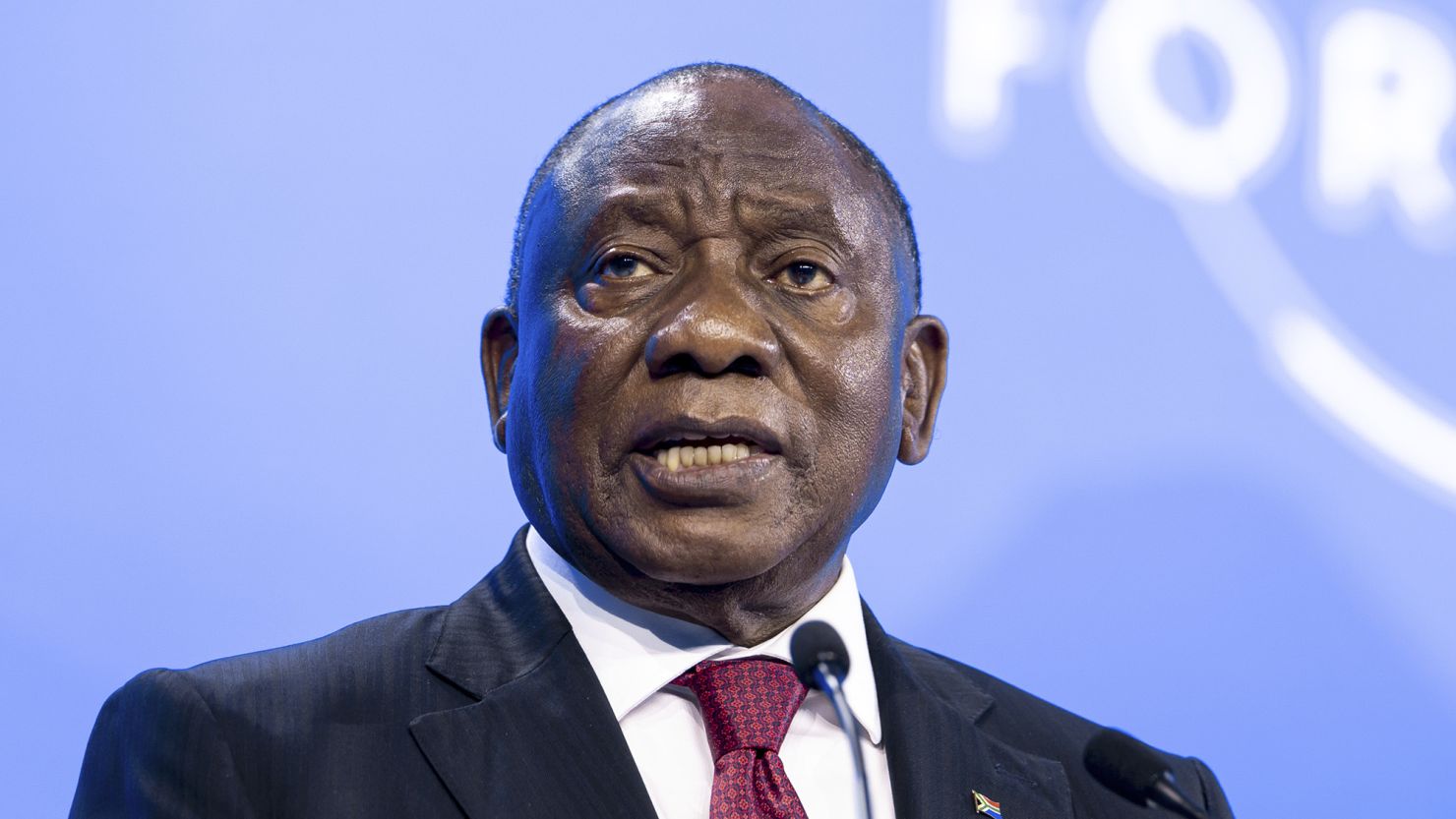
Ramaphosa opposes Trump's 30% tariff on South Africa

Ramaphosa condemns Trump’s 30% tariff on South Africa

Cyril Ramaphosa, the President of South Africa, has openly voiced his disapproval of the suggested 30% duty on South African products, which was recently introduced by the former U.S. leader Donald Trump. This tariff suggestion, part of a broader economic plan associated with shifts in trade, has sparked worries not just in South Africa but also among worldwide trade analysts who dread its possible effects on international relations and developing market economies. The suggested tariff, focused particularly on exports from South Africa to the United States, aligns with Trump's persistent narrative highlighting national priorities and safeguarding American businesses. The former…
Read More
Ramaphosa opposes Trump's 30% tariff on South Africa

Ramaphosa condemns Trump’s 30% tariff on South Africa

South Africa’s President, Cyril Ramaphosa, has publicly expressed his opposition to the proposed 30% tariff on South African goods, recently announced by former U.S. President Donald Trump. The tariff proposal, which forms part of a broader economic strategy linked to trade realignments, has raised concerns not only within South Africa but also among global trade observers who fear its potential impact on international relations and emerging market economies.The proposed tariff, aimed specifically at South African exports to the United States, is part of Trump’s ongoing rhetoric emphasizing national self-interest and the protection of American industries. While the former president has…
Read More
Trump threatens extra 10% tariff on nations siding with Brics

Trump to impose extra 10% tariff on Brics supporters

As conversations about worldwide commerce proceed to develop, the ex-U.S. President Donald Trump has garnered attention once more with an audacious plan that might transform global economic connections. During a recent political gathering, Trump mentioned that should he regain the presidency, his government would think about introducing a further 10% duty on products from nations opting to join the growing Brics coalition—an economic group comprising Brazil, Russia, India, China, and South Africa.The proposal reflects Trump's longstanding belief that aggressive tariff policies can serve as a powerful tool to protect U.S. industries and counterbalance the influence of rising global competitors. While…
Read More
Tariffs, explained: What Trump wants from all these trade deals

Tariffs, explained: What Trump’s trade deals mean for the US

Over the past few years, the issue of tariffs has transitioned from economic textbooks to the center of public discussion, primarily because of former U.S. President Donald Trump's prominent strategy toward international trade. Although tariffs have traditionally been an essential component in the economic strategies of countries globally, the way they were utilized during Trump's tenure sparked renewed debates on their objectives, efficiency, and lasting effects on worldwide markets and national industries.Tariffs fundamentally represent taxes levied on goods coming from other countries. Their purpose is to raise the cost of foreign items, thereby promoting the purchase of locally made substitutes…
Read More
Tariffs, explained: What Trump wants from all these trade deals

Tariffs, explained: Trump’s strategy with global trade deals

In recent years, the subject of tariffs has moved from the pages of economic textbooks to the forefront of public debate, largely driven by former U.S. President Donald Trump’s high-profile approach to international trade. While tariffs have long been a key tool in the economic policies of nations around the world, their use under Trump's administration reignited discussions about their purpose, effectiveness, and long-term impact on global markets and domestic industries.Tariffs fundamentally represent taxes levied on goods coming from other countries. Their purpose is to raise the cost of foreign items, thereby promoting the purchase of locally made substitutes by…
Read More
close up of decorated piggy bank

Tips to keep your savings safe during an economic crisis

An economic downturn, caused by factors such as a recession, a banking failure, geopolitical conflicts, or a worldwide health crisis, typically generates significant uncertainty. Inflation, currency depreciation, stock market declines, and widespread unemployment can pose threats to savings. For instance, during the 2008 Global Financial Crisis, numerous people watched significant segments of their investments disappear and encountered sudden liquidity issues. Safeguarding your savings in these volatile periods is vital for ensuring financial security and mental calmness.Diversification: The Fundamental ShieldDiversification is the fundamental principle for safeguarding savings. Spreading assets across multiple categories—like cash, bonds, equities, commodities, and real estate—reduces risk exposure.…
Read More
gold and silver round coins and bullions

How to shield your savings from an economic crisis

An economic crisis, whether triggered by a recession, banking collapse, geopolitical tension, or a global pandemic, often creates waves of uncertainty. Savings can be jeopardized by inflation, currency devaluation, stock market crashes, and mass unemployment. The 2008 Global Financial Crisis, for example, saw many individuals lose substantial portions of their investments and face liquidity challenges almost overnight. Protecting your savings during such turbulent times is crucial for maintaining financial stability and peace of mind.Diversification: The Core DefenseDiversification is the fundamental principle for safeguarding savings. Spreading assets across multiple categories—like cash, bonds, equities, commodities, and real estate—reduces risk exposure. For instance,…
Read More