Health

Gates Foundation commits .5 billion to 'ignored' women's health

Gates Foundation allocates $2.5 billion to ‘ignored’ women’s health projects

The Bill & Melinda Gates Foundation has revealed a major pledge of $2.5 billion intended to enhance women’s health on a global scale — a decision aimed at rectifying years of inadequate funding and disregard in essential areas for women’s welfare. This declaration signifies one of the foundation’s largest financial commitments so far to healthcare centered on gender, highlighting the pressing necessity for fairness, availability, and advancement in worldwide health structures.The financial support, which will be distributed throughout the upcoming ten years, focuses on aspects of women's health that have traditionally been underrepresented in worldwide medical research and development. These…

Read More
As more young people get screened, more colon cancer is being found early. Here’s how to lower your risk

More young adults are being screened, resulting in early colon cancer discovery—how to reduce your risk

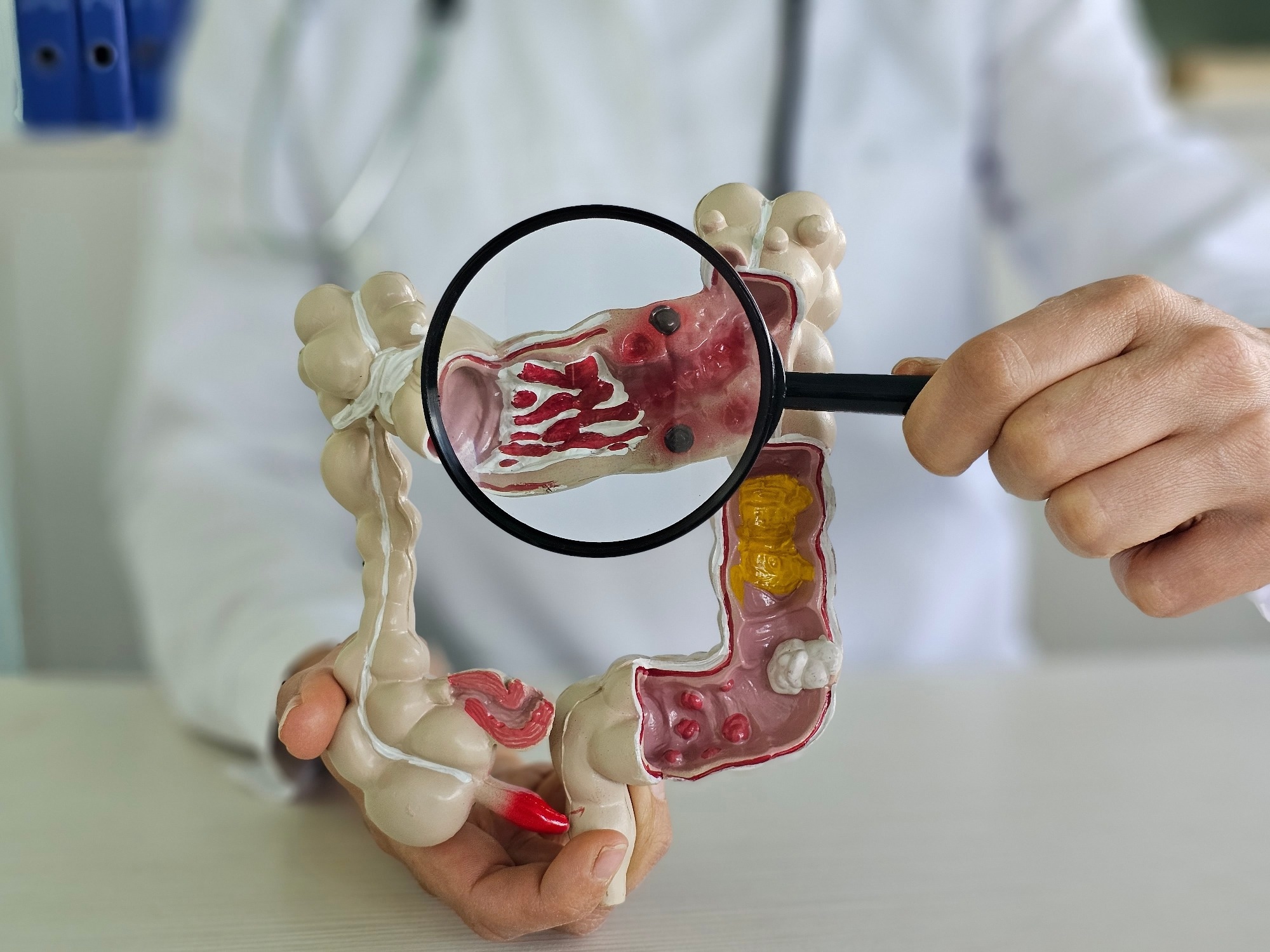
In recent years, a noticeable shift in healthcare practices has led to more young adults undergoing screenings for colon cancer — and as a result, cases of the disease are being detected at earlier, more treatable stages. This trend is prompting both optimism and concern in the medical community: while early detection can dramatically improve outcomes, the rising incidence of colorectal cancer among younger populations remains a growing public health issue.Historically, colorectal cancer was considered a condition that primarily affected people over 50. For decades, routine screening was recommended beginning at age 50, and the majority of cases were diagnosed…
Read More
CDC warns of mosquito-borne chikungunya outbreak in southeast China

Chikungunya outbreak in southeast China: CDC warns of mosquito threat

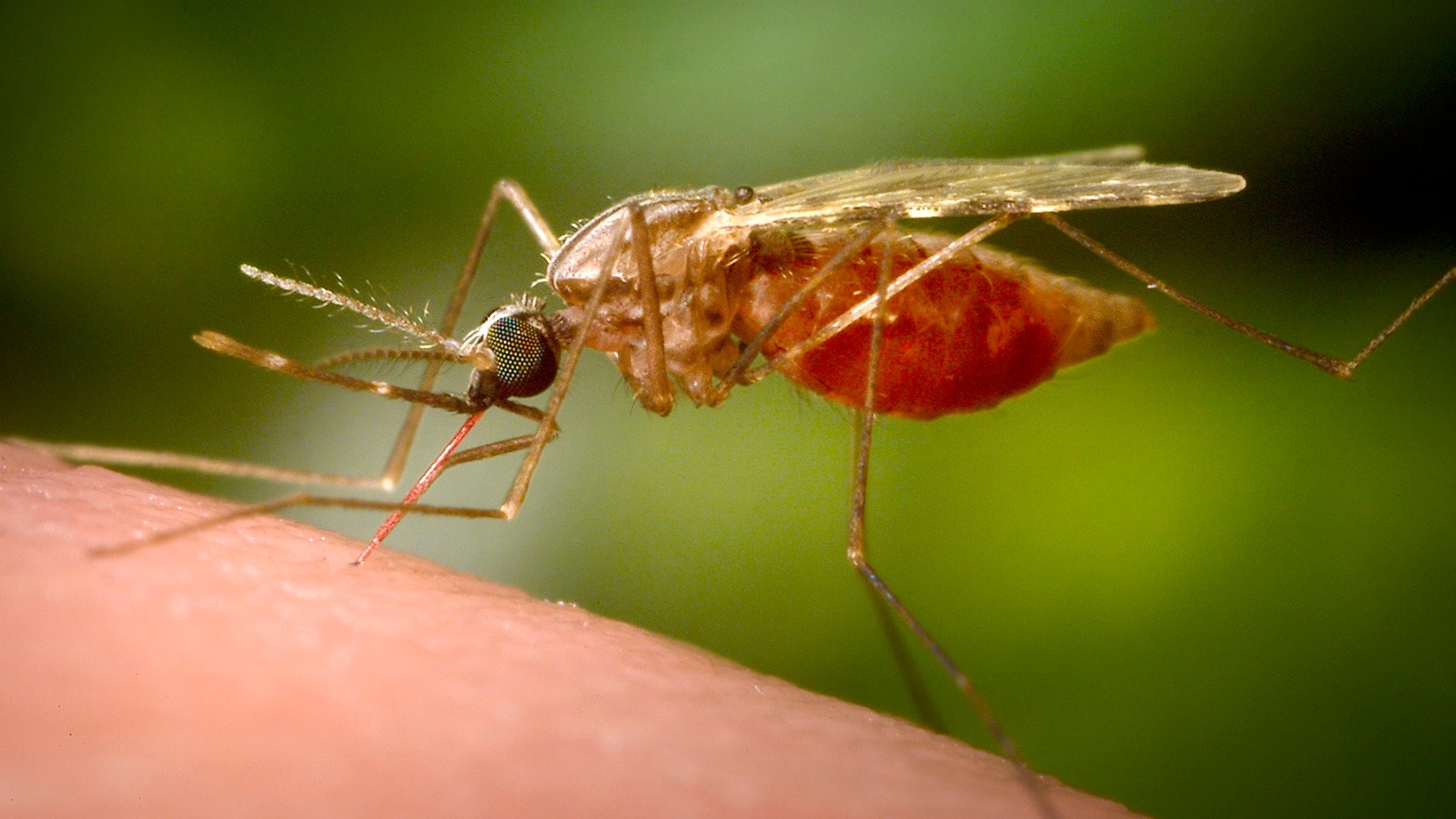
Health authorities are closely monitoring a rise in chikungunya virus cases across southeastern China, prompting warnings from the Centers for Disease Control and Prevention (CDC). This mosquito-borne disease, though seldom deadly, can cause debilitating symptoms, including severe joint pain, high fever, and prolonged fatigue. With the Aedes mosquito—known for transmitting dengue and Zika—being the primary carrier, officials are urging the public to take preventive measures to avoid infection.The chikungunya virus has been detected in multiple provinces, with health experts attributing its spread to warm, humid weather conditions that favor mosquito breeding. Standing water in urban and rural areas provides an…
Read More
How is starvation treated?

How do doctors treat starvation?

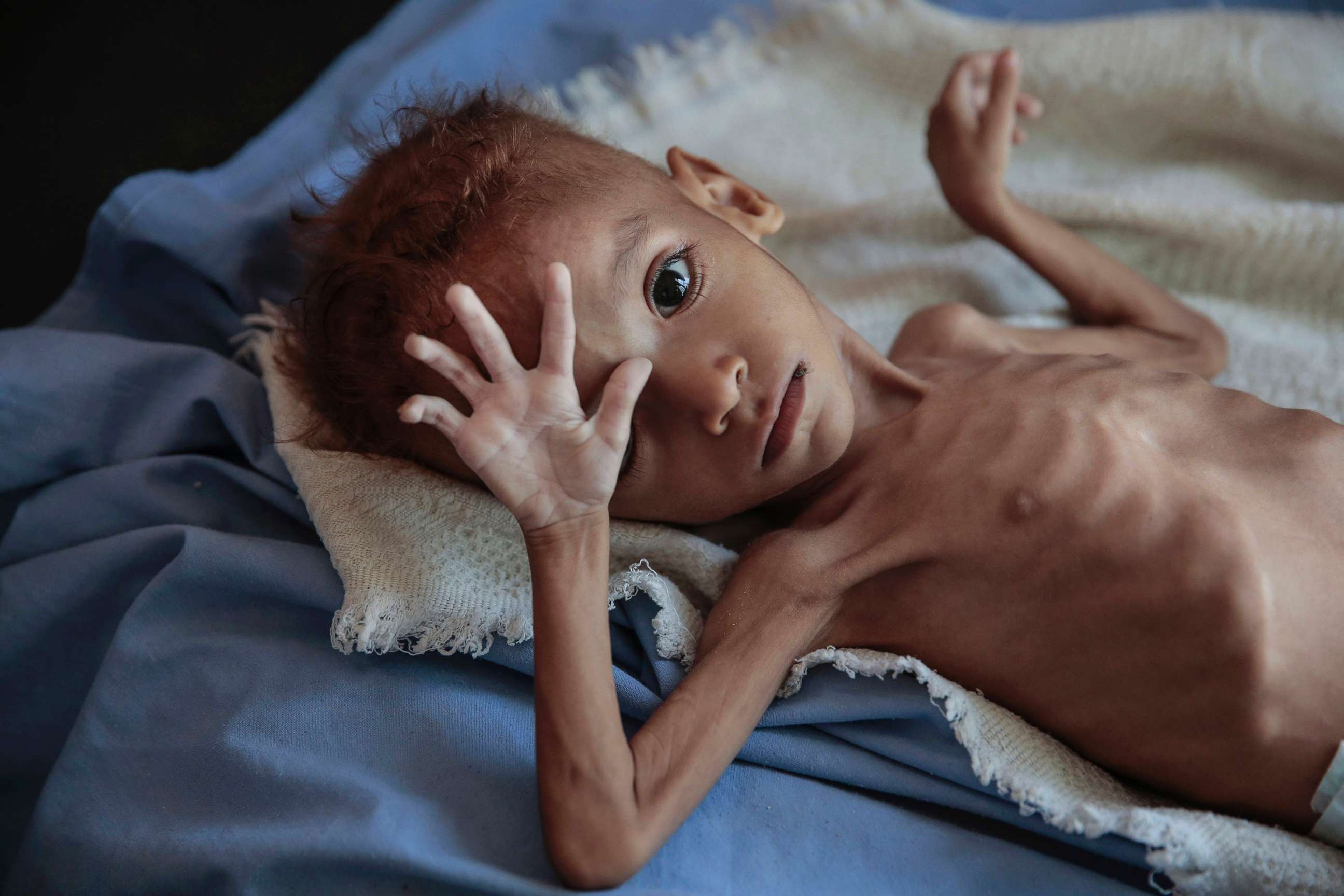
Starvation is a critical medical condition that results from prolonged deficiency of essential nutrients and energy. Addressing it requires a comprehensive, carefully monitored approach, as the body’s systems are severely compromised and any abrupt refeeding can pose serious health risks. Whether occurring in the context of humanitarian crises, chronic neglect, or severe eating disorders, the treatment of starvation involves not only restoring nutrition but also stabilizing multiple organ systems, preventing complications, and addressing underlying causes.Cuando el organismo se queda sin alimentos durante un tiempo prolongado, entra en un estado catabólico donde las reservas de grasa, el tejido muscular, y los…
Read More
As more young people get screened, more colon cancer is being found early. Here’s how to lower your risk

More young adults are getting screened, leading to early colon cancer detection. Here’s how to reduce your risk

In recent times, there has been a significant change in healthcare practices, resulting in an increase in screenings for colon cancer among young adults. Consequently, instances of the disease are being identified in earlier, more manageable stages. This development is causing both hope and worry within the medical field: although early detection can greatly enhance treatment results, the increasing number of colorectal cancer cases in younger individuals continues to be a rising public health concern.Historically, colorectal cancer was considered a condition that primarily affected people over 50. For decades, routine screening was recommended beginning at age 50, and the majority…
Read More
The world is getting hotter – this is what it is doing to our brains

How hotter climates are changing our brains

As the world's temperatures keep rising, the impacts of a hotter planet are becoming harder to overlook. From severe weather events to disturbances in ecosystems, the changing climate is transforming our environment. A particular focus of scientific research is how increasing heat affects human brain activity, decision-making processes, and general cognitive well-being.Although the bodily consequences of heat—like dehydration, heatstroke, and exhaustion—are well understood, recent research is uncovering how high temperatures might also hinder cognitive abilities. This relationship between heat and mental function is increasingly worrisome, particularly as more areas experience extended heatwaves and rising average temperatures annually.The human brain is…
Read More
Family caregivers worry over planned Medicaid cuts' impact

Family caregivers uneasy about future Medicaid cuts

Throughout the nation, individuals looking after family members are increasingly worried about the possible impact of suggested Medicaid funding decreases. Should these reductions take place, they may significantly change the assistance networks that numerous families depend on to look after elderly parents, children with disabilities, and relatives with long-term health conditions.For a vast number of Americans, Medicaid represents more than a public insurance scheme—it is essential for their survival. It helps cover costs for home-based care services, long-term care homes, and medical devices for those who might otherwise lack the necessary care and resources. However, for relatives who assume caregiving…
Read More
A Michigan program that gives new mothers cash could be a model for rest of U.S.

How Michigan’s New Mothers Cash Program Sets a U.S. Precedent

A groundbreaking initiative in Michigan is drawing attention across the country for its direct approach to supporting maternal and infant well-being. The program, which provides unconditional cash payments to new mothers, is being closely observed by policymakers, researchers, and advocacy groups who see its potential as a scalable model for addressing economic and health disparities nationwide.Launched as a pilot project, the Michigan program aims to ease the financial burdens associated with early motherhood, particularly for families with low or moderate incomes. Participants receive monthly payments during pregnancy and after childbirth, offering them flexibility in how to manage expenses related to…
Read More
I've stopped life-saving medication says man exhausted by fight for NHS care

NHS Care Battle Leaves Man to Stop Life-Saving Medication

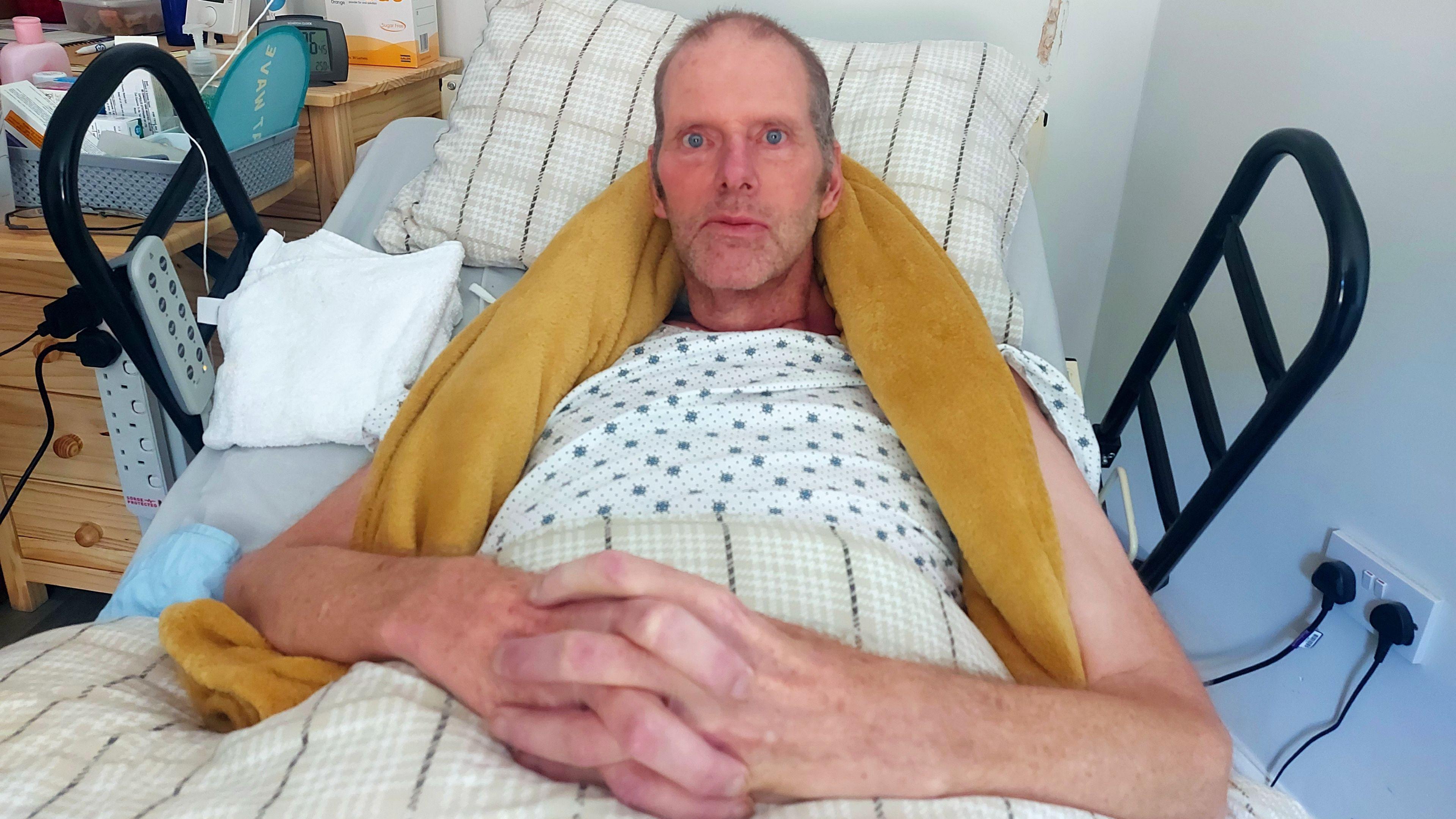
For an individual in the United Kingdom, the challenge of ensuring access to vital healthcare has turned into an overwhelming challenge. Following an extended and draining battle with the National Health Service (NHS), he has reluctantly chosen to discontinue the medication that has sustained his life.Esta decisión no refleja una mejora en su salud ni un cambio en el consejo médico. Más bien, simboliza la culminación de obstáculos repetidos, trámites burocráticos y un aumento de la desesperación. Su experiencia destaca un problema más amplio dentro del NHS: la dificultad que algunas personas enfrentan para asegurar una atención consistente y confiable,…
Read More
Early results from major clinical trial show healthy lifestyle slows cognitive decline

Major clinical trial finds healthy lifestyle reduces risk of cognitive decline early on

Emerging data from an important clinical study indicates that upholding a healthy way of life might assist in decelerating the advancement of cognitive deterioration, bringing fresh optimism to older populations worried about memory impairment and dementia. The results offer additional scientific support for the long-standing notion that everyday actions—like nutrition, exercise, and social interaction—can affect brain health as time progresses.The initial findings, obtained from a highly extensive lifestyle research concerning cognitive abilities, suggest that individuals maintaining a range of healthy habits show a reduced decline in memory and cognitive skills versus those with less health-conscious routines. This broad, randomized study…
Read More