Blog

Why the energy transition moves at different speeds across countries

Factors influencing the speed of energy transition worldwide

The shift from fossil fuels to low-carbon energy systems is neither uniform nor inevitable. Countries progress at different rates because the transition depends on a complex mix of economics, institutions, resources, technology, politics and history. Understanding these interacting factors explains why some nations race ahead with rapid renewables deployment while others move slowly despite clear climate and economic incentives.Core drivers that speed up or slow down transitionsEconomics and cost structures: As wind and solar expenses have declined, renewables now rival conventional power in numerous markets, yet total deployment costs still hinge on local pricing, taxation, and above all the cost…

Read More
Global Sustainable Fashion Runways & Awards | Luxiders

Discovering slow fashion

The idea of slow fashion arises as a mindful, sustainable counterpoint to the rapid, profit-centered routines that dominate the global fashion industry, and at its heart, this movement prioritizes enduring quality rather than mass quantity while encouraging environmental awareness, social accountability, and a more meaningful link between how items are made and how they are ultimately used.Historical BackgroundSlow fashion originated from the wider slow movement, which took shape in Italy in the 1980s as a response to fast food, advocating for sustainable farming and the pleasure of savoring meals. In much the same way, slow fashion promotes a deliberate, thoughtful…
Read More
United States: How investors assess market size, competition, and regulatory exposure before expansion

United States: how investors evaluate market size, competition, and regulatory risk before expansion

Expanding into the United States appeals to many because the country offers a vast consumer market, substantial GDP per capita, robust capital markets, and dynamic innovation networks. Yet the U.S. remains highly diverse, with federal, state, and local regulations often differing, strong industry incumbents, and consistently active enforcement. As a result, investors typically assess three interconnected factors before deploying capital: the scale and accessibility of the addressable market, the depth and character of competitive pressure, and the extent to which regulatory exposure may influence revenue, costs, timelines, and eventual exit opportunities.Assessing market size: frameworks and data sourcesFrameworks: Total Addressable Market…
Read More
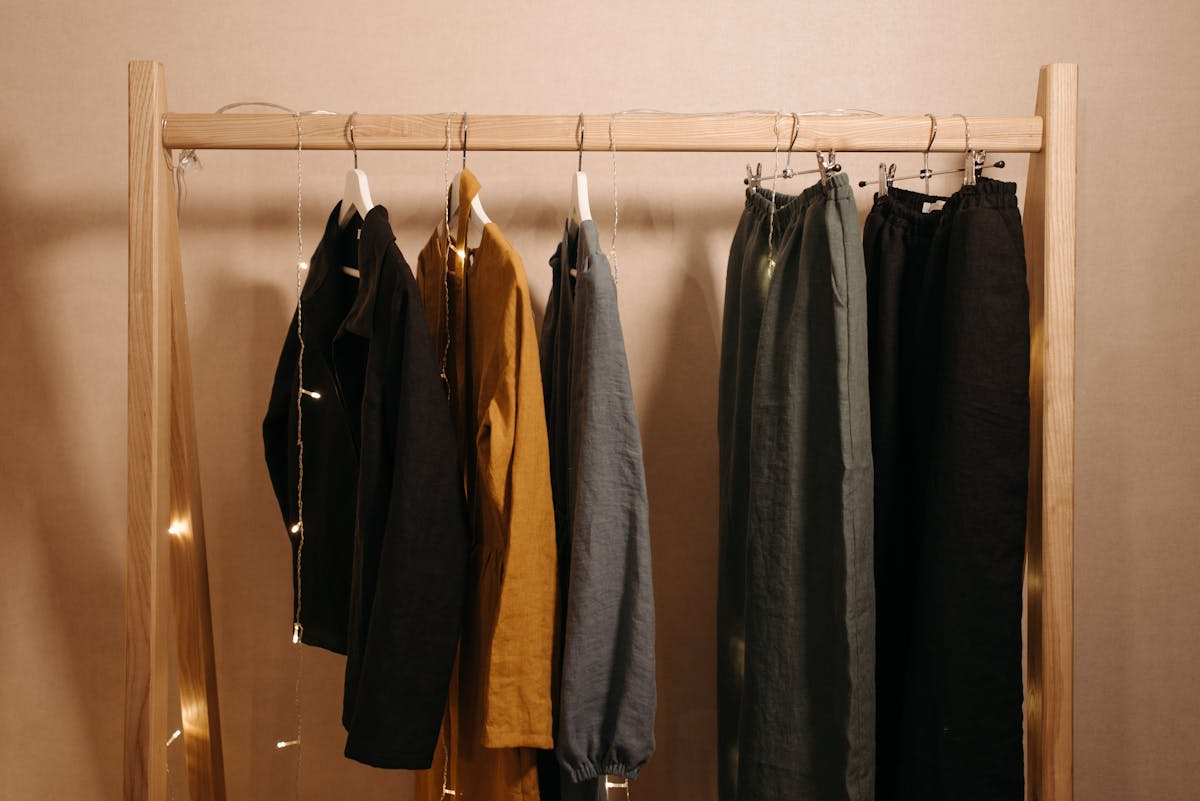
assorted clothes hanging on a wooden rack

A guide to gender-neutral fashion

Gender-neutral fashion, often referred to as unisex or non-binary fashion, marks a transformative evolution in the way contemporary society views and wears clothing by advocating styles that move beyond traditional male or female boundaries, turning this shift into not just a passing trend but a broader cultural push toward inclusivity and personal expression that mirrors changing perspectives on gender identity.Historical ContextHistorically, fashion was largely shaped by rigid gender expectations, with women in the Victorian era wearing corsets and dresses and men distinguished by sharply tailored suits, turning clothing into a clear indicator of gender identity. Yet the roots of unisex…
Read More
What is digital fast fashion?

Digital fast fashion: an overview

Digital fast fashion is an emerging trend in the fashion industry characterized by the rapid production and distribution of clothing, facilitated through digital technology and online platforms. Unlike traditional fashion cycles, which can take months or even years from concept to consumer, digital fast fashion often takes just a few weeks. This trend leverages digital tools, artificial intelligence, and seamless online retail experiences to meet consumer demands almost instantaneously.The Rise of Digital Fast FashionOne of the key drivers of digital fast fashion is the shifting consumer expectations in a digital age. With the internet and social media, consumers have immediate…
Read More
Argentina: cómo se valora el riesgo político y los controles de capital en el retorno esperado

Argentina’s Agribusiness CSR: Traceability & Family Farm Assistance

Argentina’s agribusiness sector lies where global food security, rural livelihoods, export revenues, and environmental responsibility converge, bringing together large commercial producers, multinational traders, and a wide spectrum of family farmers along with smallholder cooperatives; CSR initiatives that pair traceability with focused assistance for family farming have increasingly become essential for fulfilling sustainability expectations, lowering supply‑chain vulnerabilities, and advancing rural development results.Why traceability and family-farmer support matterStrong traceability systems let companies demonstrate the origin, legality, and environmental compliance of commodities such as soy, corn, beef, peanuts, and fruit. Traceability addresses three major CSR drivers:Market access and buyer requirements: European and North…
Read More
Dinamarca: cómo el diseño circular reduce costos y riesgos de suministro

Businesses in Denmark: circular design to optimize costs and secure supply

Denmark has become a testbed for circular design because of its compact industrial base, strong design tradition, advanced recycling infrastructure, and policy environment that encourages resource efficiency. Danish companies use circular design not only to reduce environmental impact, but to cut costs, stabilize supply chains, and unlock new revenue models. The following explores how circular design is applied in Denmark, with concrete company examples, methods, outcomes, and practical lessons for other firms.What is circular design and why it matters for cost and supply riskCircular design is a product- and system-level approach that prioritizes durability, repairability, reuse, remanufacturing, material recovery, and…
Read More
man wearing sweater drinking wine

What defines a seasonal collection?

A seasonal collection is understood as a carefully selected range of products—commonly found in fashion, home decor, and retail—created and launched to correspond with particular times of the year, allowing brands to tailor their offerings to shifting consumer preferences influenced by climate, cultural moments, and holiday periods.The Idea Driving Seasonal CollectionsFashion and retail sectors treat seasonal collections as tactical instruments for attracting consumer interest and stimulating purchases, and by reflecting current environmental and social conditions, brands can deliver offerings that feel visually appealing and practically useful. For example, a fashion brand might introduce a winter line designed with insulating garments…
Read More
Cómo se fija el precio de la energía en mercados globales

Expanding RNG footprint: Clean Energy adds stations on vital freight corridors

A growing push to reduce emissions in freight transportation is reshaping fuel infrastructure across the United States. New investments aim to offer fleets a cost-effective and cleaner alternative to diesel. The expansion reflects rising demand for practical solutions that balance sustainability with economic efficiency.Clean Energy Fuels Corp. revealed a major boost to its renewable natural gas (RNG) fueling network, introducing six newly active stations located along critical freight routes across the United States, with the announcement made at the Advanced Clean Transportation Expo to highlight the company’s ongoing commitment to advancing lower-emission transport options while recognizing the financial challenges that…
Read More
Clean Energy Broadens RNG Footprint With New Stations Positioned on Key Freight Corridors

New Clean Energy stations on major freight corridors boost RNG footprint

A growing push to reduce emissions in freight transportation is reshaping fuel infrastructure across the United States. New investments aim to offer fleets a cost-effective and cleaner alternative to diesel. The expansion reflects rising demand for practical solutions that balance sustainability with economic efficiency.Clean Energy Fuels Corp. revealed a major boost to its renewable natural gas (RNG) fueling network, introducing six newly active stations located along critical freight routes across the United States, with the announcement made at the Advanced Clean Transportation Expo to highlight the company’s ongoing commitment to advancing lower-emission transport options while recognizing the financial challenges that…
Read More